NSF Innovators Program
Aalborg University, Denmark
Researched solar panel degradation and fault detection. Identified the need for a hardware system to collect real-time data.
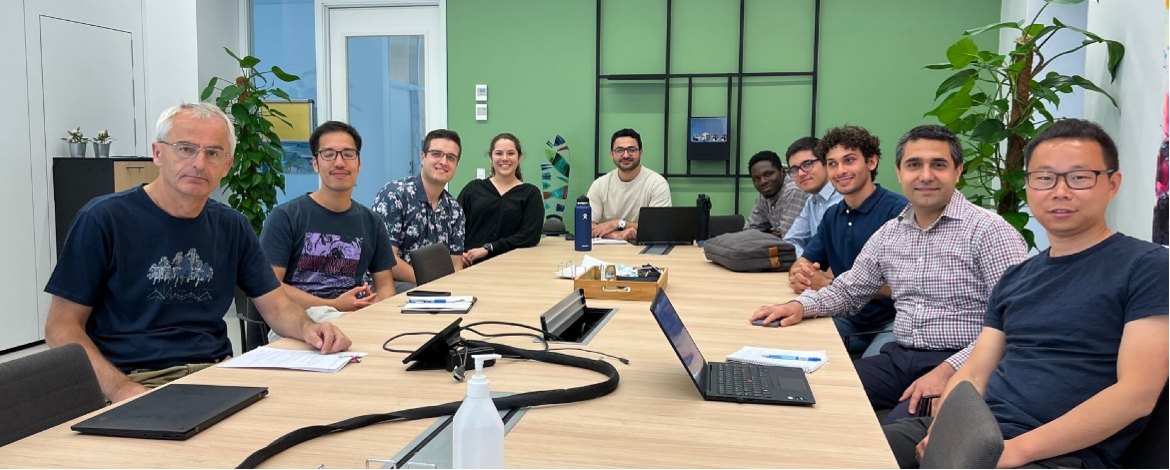
Research foundation established
Read about the NSF Program experienceSummer 2023 – Present
Building the Future of Solar Monitoring
SEPT's journey began in Summer 2023 during the NSF Innovators Program at Aalborg University in Denmark, where we identified a critical challenge: understanding solar panel degradation and developing affordable solutions for second-life applications.
What started as a research challenge has evolved into a mission to solve a major industry gap—the lack of low-cost tools to continuously monitor individual solar panels, which causes many panels to be prematurely decommissioned.
Through 4 prototypes, 4 startup programs, 3 competitions, and countless iterations, we've discovered what the solar industry really needs: affordable, code-compliant monitoring that prevents premature panel decommissioning.
Founders, mission, and how Solar Sense came to be.
SEPT (Solar Energy Protection Technology) was founded by a team of engineers and builders driven by a shared mission: making solar energy systems smarter, safer, and more sustainable.
The idea for Solar Sense was born from a simple but urgent realization — while solar energy is expanding rapidly around the world, many systems still lack the intelligence and safety infrastructure needed to protect firefighters, maintenance crews, building occupants, and the long-term health of the panels themselves.
Growing up in Conakry, Co-Founder and CEO Adama Toure experienced firsthand the consequences of unreliable electricity. In many neighborhoods, power was available only a few hours every other day, and families often relied on candles for light at night. These experiences shaped his mission:
to build energy systems that are safer, more reliable, and more sustainable.
Adama later moved to the United States and studied Renewable Energy Engineering at Oregon Institute of Technology. He also conducted research at Aalborg University, where he studied solar panel lifecycle challenges and identified a growing problem in the solar industry: the lack of affordable technologies capable of continuously monitoring the safety and health of individual solar panels.
At the same time, Co-Founder and CTO Jordan Harris-Toovy was developing deep expertise in electronics, embedded systems, and hardware engineering. Homeschooled with a strong emphasis on engineering and hands-on technical learning from an early age, Jordan built extensive practical experience in electronics before earning his degree in Electrical Engineering from Oregon Institute of Technology.
Jordan established the Solar Sense electronics lab — a rapidly evolving engineering space dedicated to electronics design, PCB development, embedded systems, rapid prototyping, and solar hardware testing. His ability to quickly move from concept to working hardware became a key foundation of the company's innovation process.
Together, Adama and Jordan combined renewable energy engineering, artificial intelligence, embedded systems, and rapid prototyping to create Solar Sense — an intelligent module-level monitoring and rapid shutdown platform designed to make solar installations safer, smarter, and more resilient.
Today, Solar Sense is building technology that combines real-time sensing, machine learning, and rapid shutdown capabilities to monitor solar panels at the individual module level. The company's long-term vision is not only to improve solar safety and performance, but also to extend the usable life of solar panels and reduce unnecessary PV waste.
The founders believe the future of energy is decentralized, intelligent, and deeply connected to the communities it serves. Their mission is to build technology that protects people, strengthens energy resilience, and accelerates the transition toward a cleaner and more sustainable world.
Taking research projects from lab to market—explore every milestone of our journey
Aalborg University, Denmark
Researched solar panel degradation and fault detection. Identified the need for a hardware system to collect real-time data.
Research foundation established
Read about the NSF Program experienceAdama returned to the U.S. and partnered with Jordan Harris-Toovy. Jordan sketched the first design and began building Prototype 1.
Team formed, hardware design initiated
Built Prototype 1 (PCB + Arduino Nano) with basic multimeter-like readings. Determined it was insufficient for meaningful analysis.
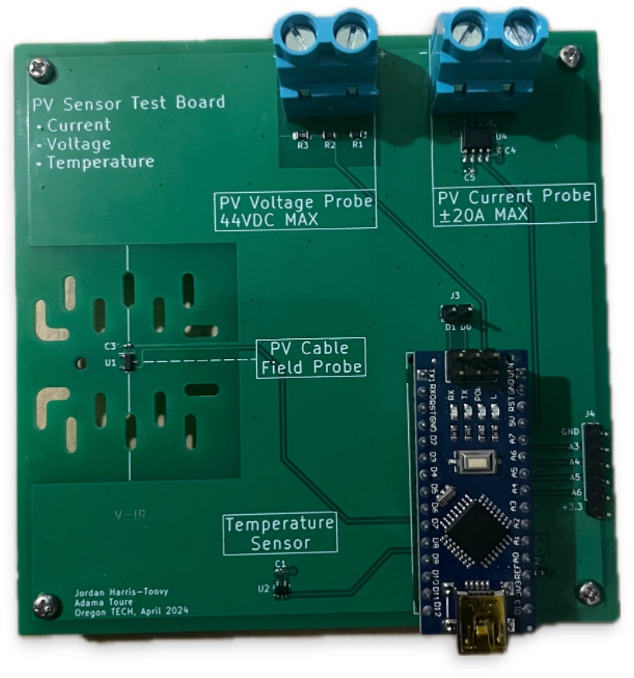
First working prototype, identified limitations
Pitched at Catalyze Klamath Challenge using Prototype 1. Selected for the InventOR Prototyping Competition.
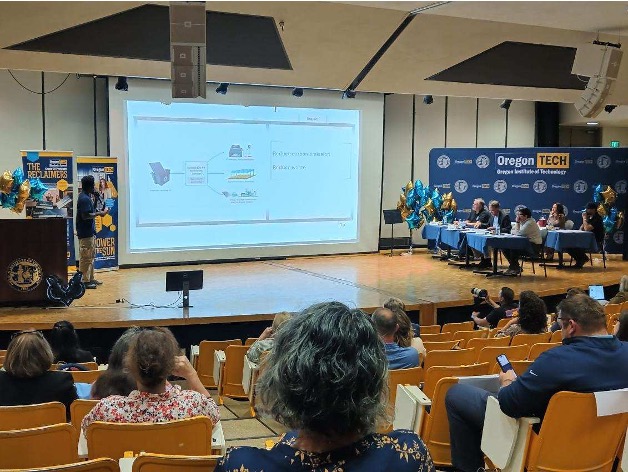
Market validation and resources secured
Developed second-generation PCB with improved sensor integration and data collection capabilities. This iteration enhanced voltage and current monitoring, laying the groundwork for machine learning data acquisition.
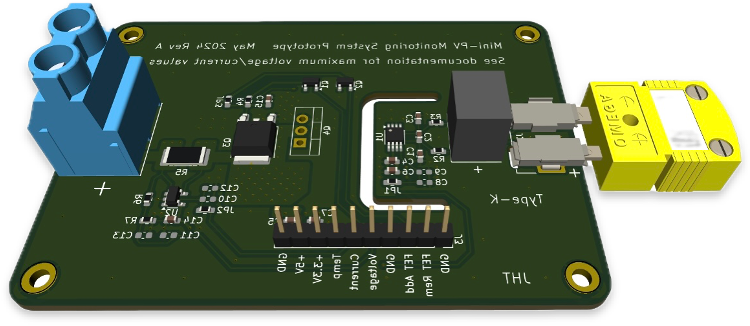
Improved hardware foundation for ML training
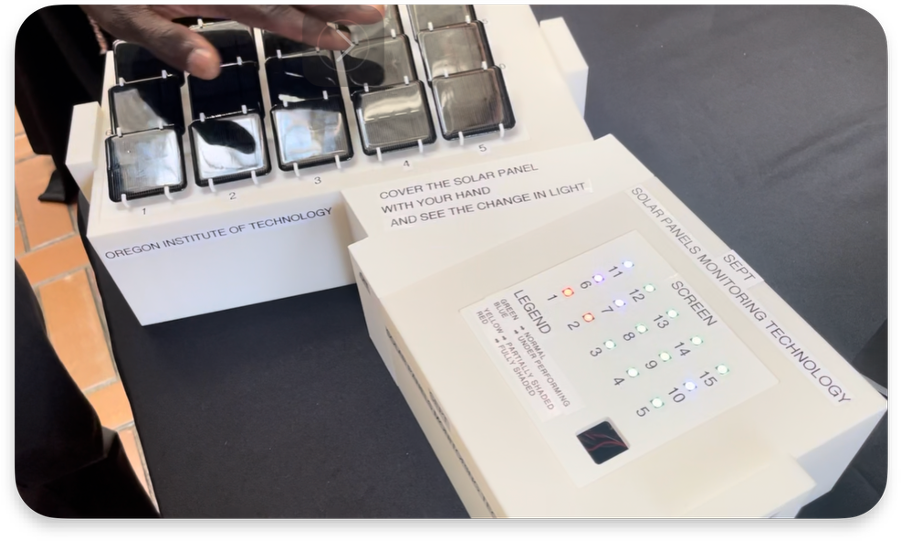
Built cardboard shading model to demonstrate fault detection. Exhibited at OIT IdeaFest—first public hands-on testing.
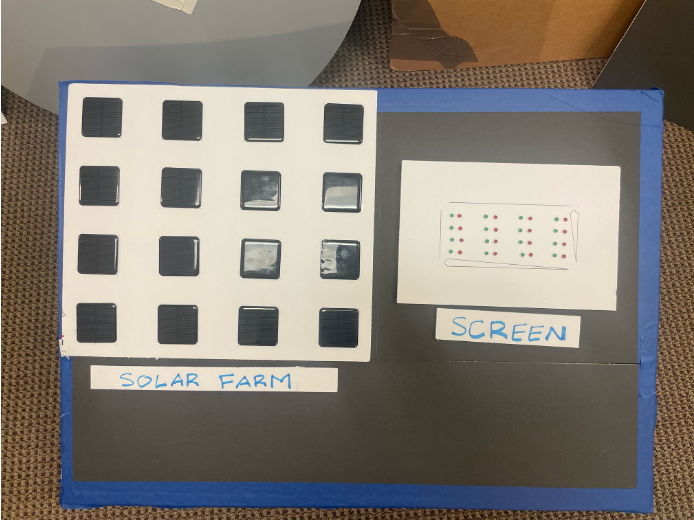
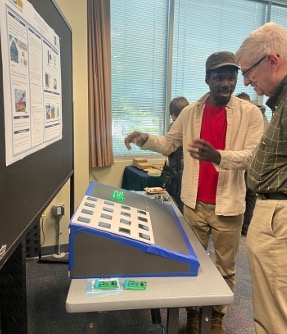
Educational demonstrations validated concept
Pitched at InventOR focusing on second-life solar reuse. Received the Visionary Award—a pivotal moment for SEPT. InventOR has been supporting SEPT throughout its journey by providing connections to resources, mentorship, and opportunities that have been instrumental in our growth.
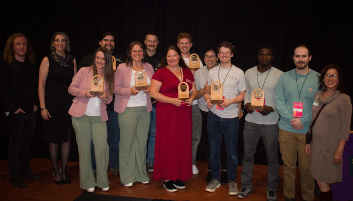
Visionary Award winner and ongoing partnership
Read about our Visionary AwardRealized landfill-prevention business case was not strong enough. Pivoted to provide a device for the utility PV industry to detect and locate panel faults—addressing a critical gap in solar operations.
New market direction identified with clear value proposition
Identified critical market gap: utility PV operators lack affordable tools for panel-level fault detection. Applied to American-Made Solar Prize Round 8 with this new solution.
Clear problem definition and validation
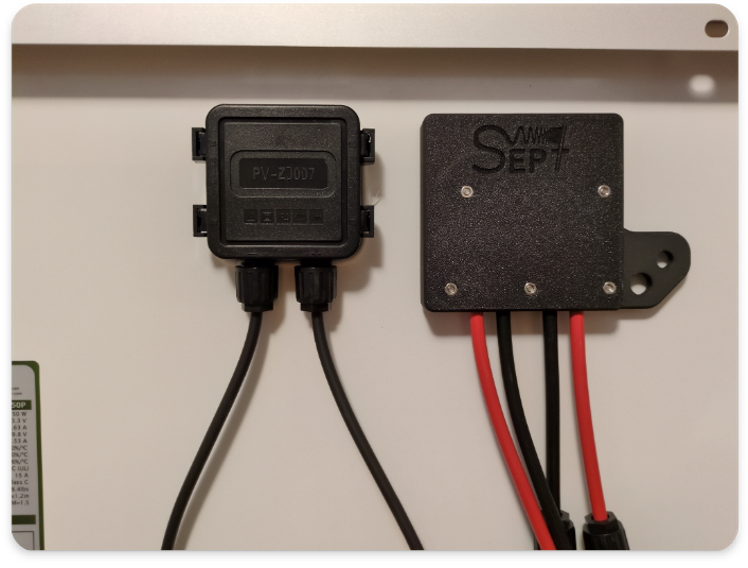
Built Prototype 3 featuring real-time fault localization capabilities. This working prototype demonstrated panel-level monitoring with ML-powered fault detection—a complete solution integrating hardware sensors with intelligent software analytics.
First production-ready prototype with commercial viability
Participated in VertueLab 45Camp accelerator program to refine business model and develop go-to-market strategy.
Enhanced entrepreneurial skills and network
Conducted market research: utility PV reluctant to add system costs. Expanded research to commercial PV. Learned commercial systems need low-cost, code-compliant, single-device solutions.
Product-market fit identified in commercial PV
Prepared next pitch addressing multi-device burden. Continued refining hardware and software. Completed TiE XL Bootcamp—learned about startup ecosystem, due diligence, investor relations.
Business acumen strengthened, systems refined
Developed in-house manufacturing capabilities, enabling production of professional-grade PCBs from Jordan's home lab. Fourth-generation design features SEPT branding, advanced component integration, and optimized sensor architecture—demonstrating our ability to manufacture commercial-quality hardware independently.
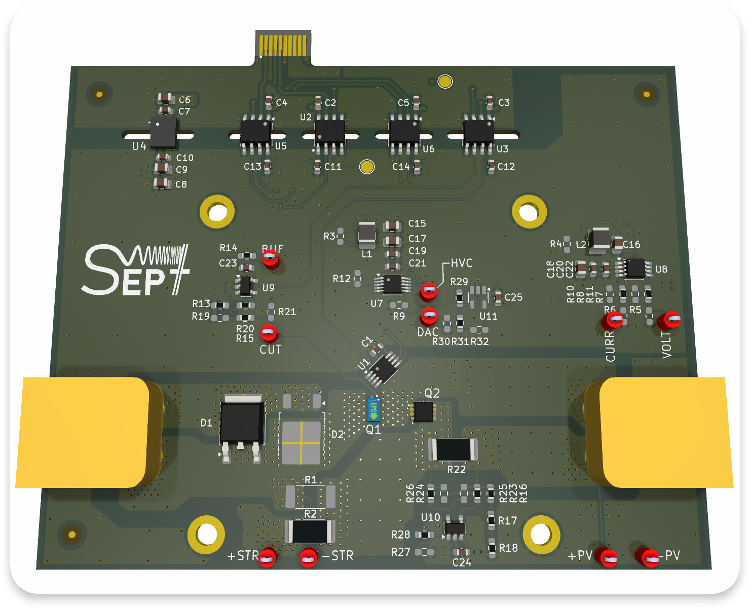
Manufacturing capability established, commercial-quality production achieved
Participated in the AOBIO Capital Readiness program—a transformative experience that taught us the essential vocabulary of entrepreneurship and how to avoid costly mistakes as new founders. Through mentorship, cohort discussions, and structured guidance, we clarified our problem, value proposition, and growth path.
Capital readiness achieved, entrepreneurial foundation strengthened
Built first prototype of software dashboard to visualize real-time panel data and fault detection. Transformed hardware solution into a complete monitoring system for solar operators.
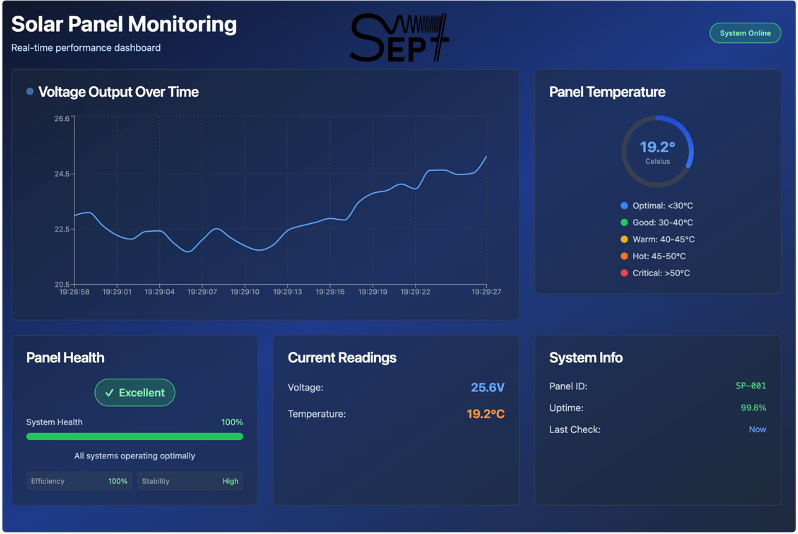
Complete hardware-software solution achieved
Reimagined and rebuilt our software from the ground up. Launched an interactive Neural Network Builder as an educational tool—allowing anyone to learn the process of building neural networks. Currently in development, this platform demonstrates our commitment to making AI-powered solar monitoring accessible and transparent.
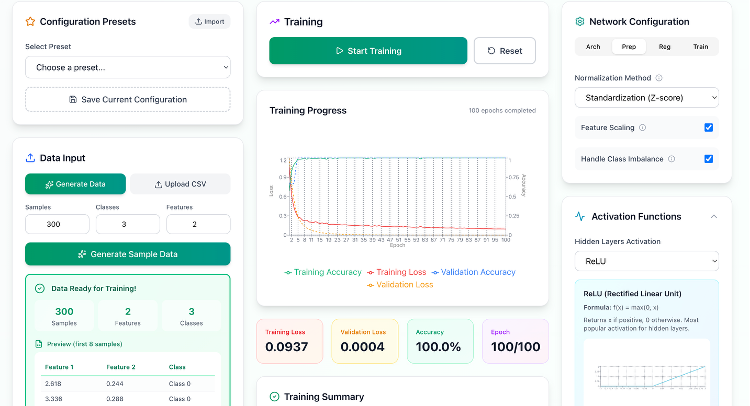
Educational platform launched, software architecture modernized
Try the Neural Network BuilderJanus Innovation Hub is a startup accelerator that empowers immigrant-led ventures through mentorship, resources, and connections to transform innovative ideas into impactful, investment-ready businesses. The Janus program aims to set SEPT on the right path toward becoming a sustainable enterprise, achieving its mission of making solar smart and safe.

Positioned for commercial deployment
Selected to participate in the prestigious Plug and Play Tech Center Summit—one of the world's largest innovation platforms connecting startups with corporate partners. This opportunity positions SEPT to engage with global energy leaders, explore strategic partnerships, and scale our solar monitoring technology into enterprise markets.
Global network expansion and corporate partnership opportunities
Shanghai, Nantong, Wenzhou
Solar Sense recently participated in the Plug and Play China Cross-Border Program, traveling through Shanghai, Nantong, and Wenzhou to explore one of the world's fastest-moving innovation ecosystems. During the program, we pitched Solar Sense to local governments, investors, and industry leaders while gaining firsthand insight into China's advanced manufacturing capabilities, startup infrastructure, and clean energy ecosystem. The experience opened new opportunities for international collaboration, manufacturing partnerships, and global market expansion as we continue building smarter and safer solar energy technologies.
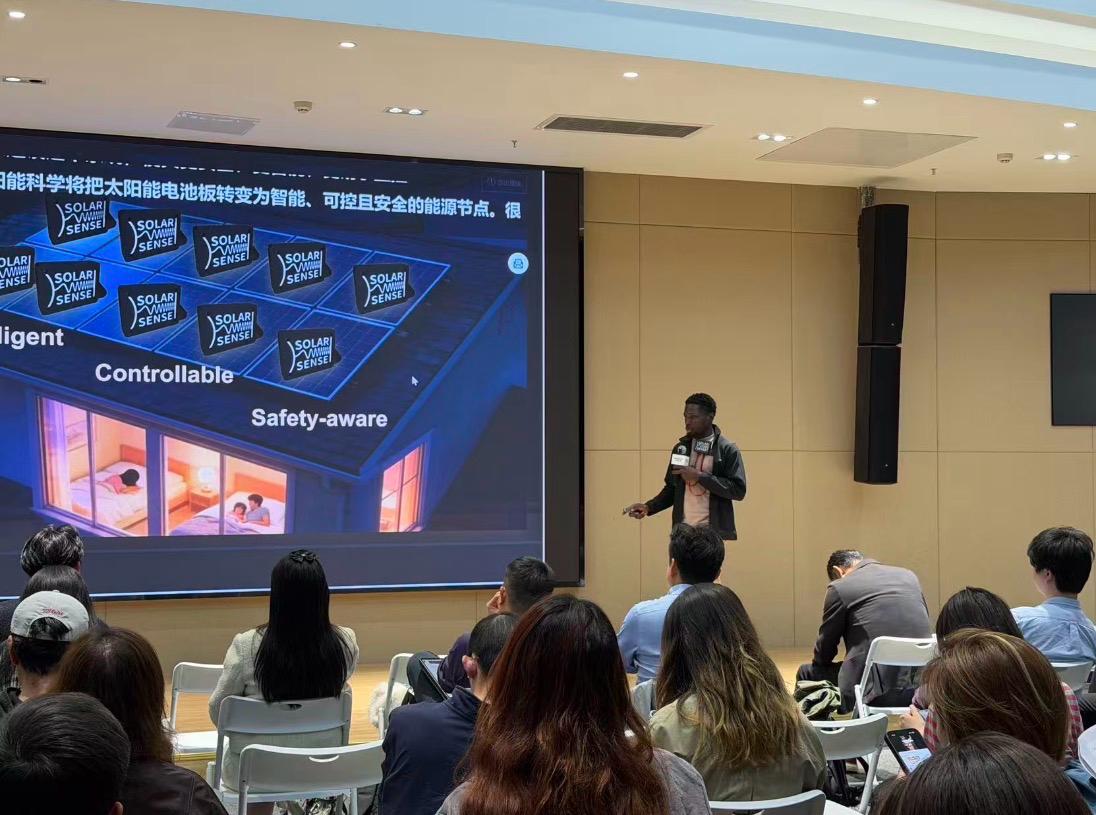
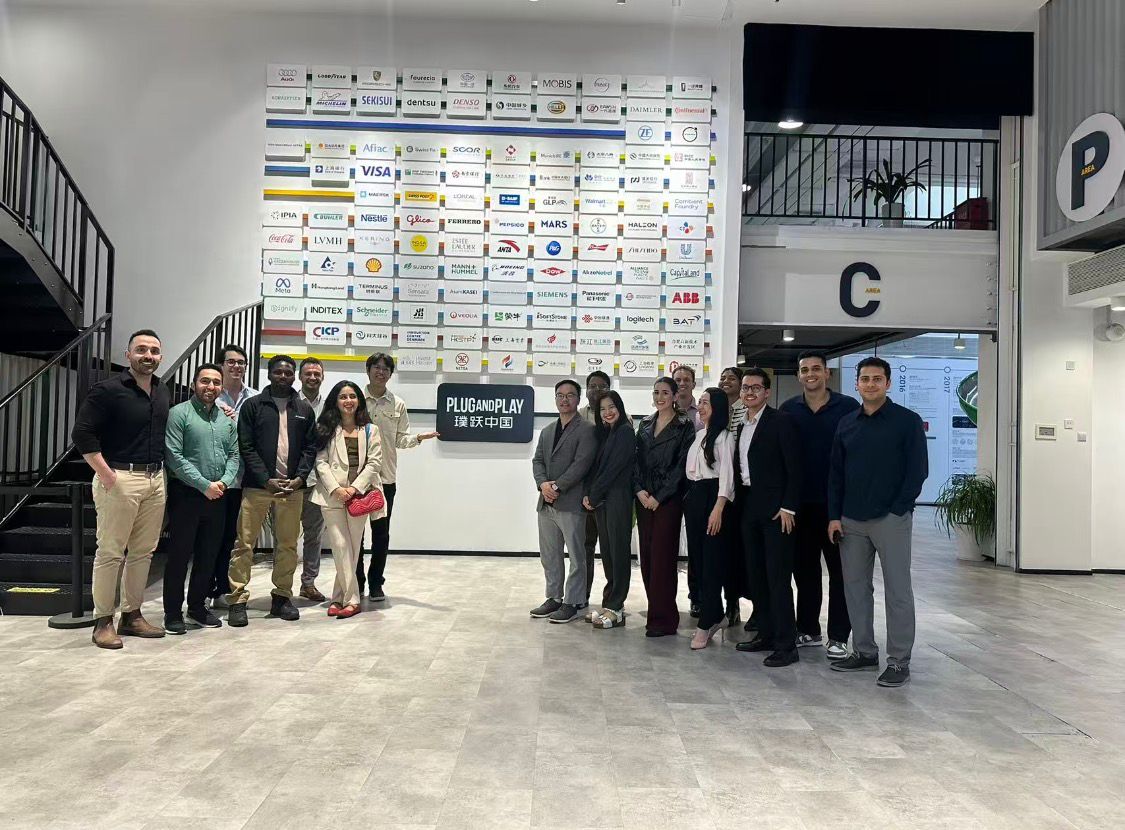
Cross-border program completed; China ecosystem insight and new partnership opportunities