The safety and intelligence layer for decentralized solar energy systems.

As solar scales from centralized plants to millions of rooftop and distributed installations, panel-level safety, visibility, and control become critical. Our vision: transform every solar panel into an intelligent, monitored, and controllable energy node.

Solar Sense is a hardware and machine learning platform: panel-level voltage, current, and temperature; ML-based fault detection; and integrated safety switching—built to scale across residential, commercial, and research systems.

  • Panel-level intelligence
  • ML-based fault detection
  • Integrated safety (MOSFET)
  • Scalable module architecture
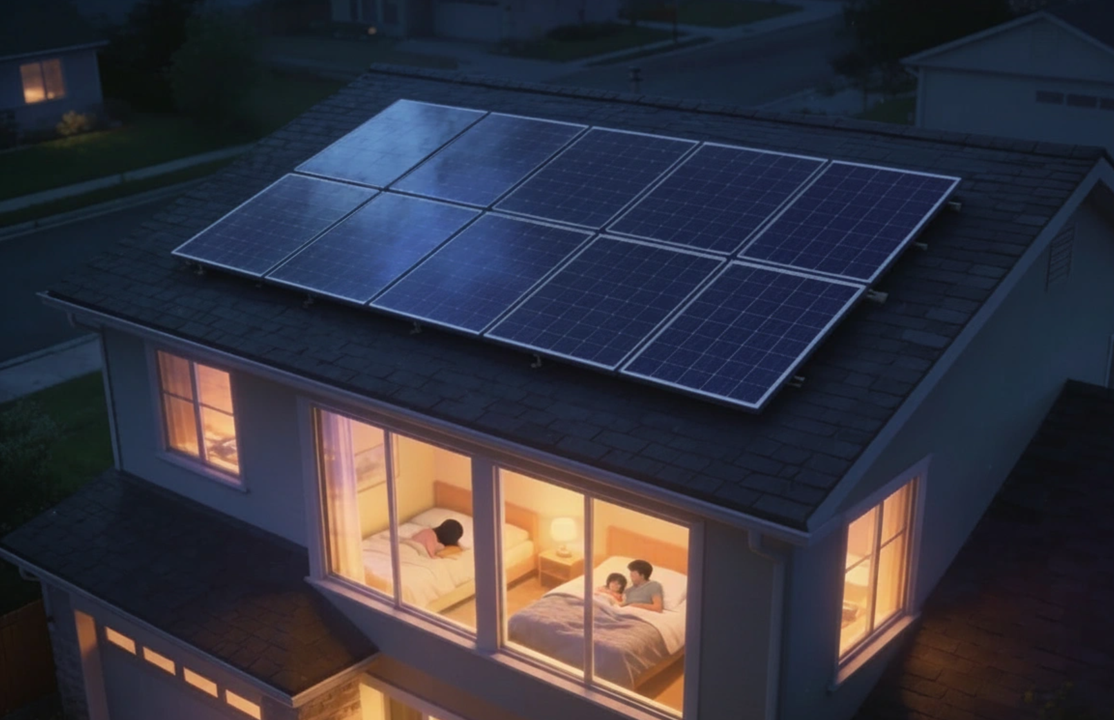
Residential and distributed solar installations

The Problem

Decentralized solar is growing fast—but safety, visibility, and control have not kept pace at the panel level.

Safety risks in decentralized solar

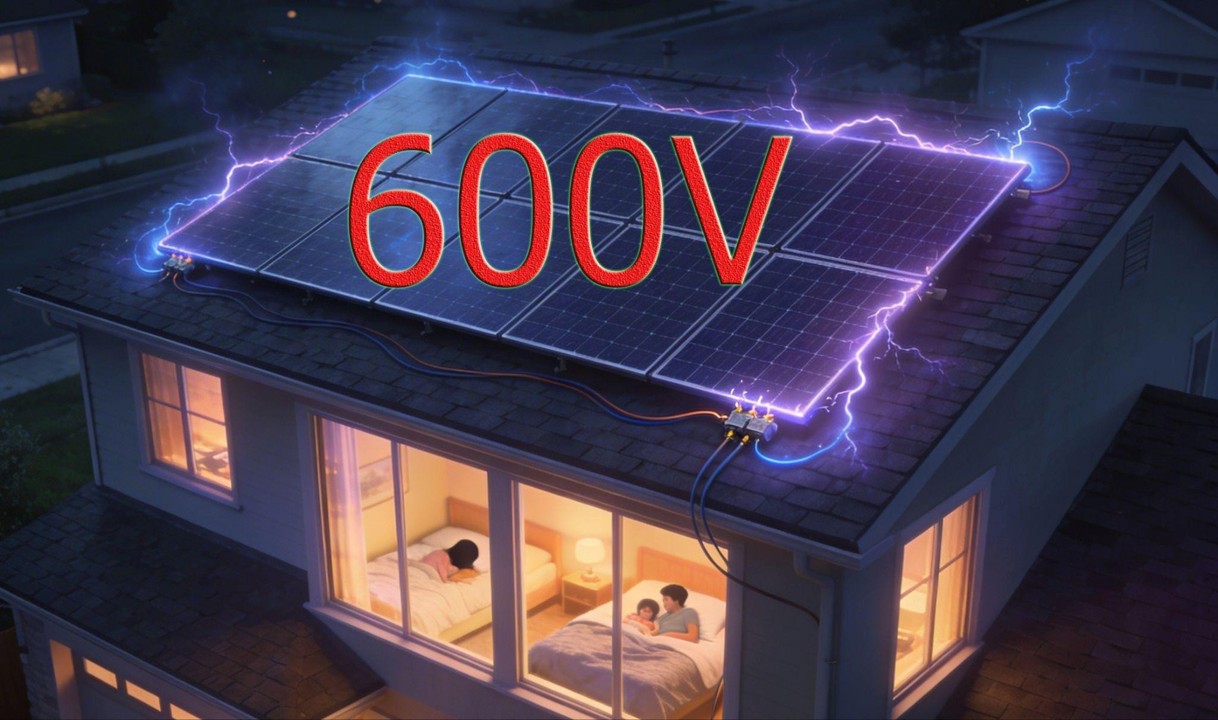
Residential and commercial systems often operate at 600V–1,000V DC. When shading, wiring issues, degradation, or hotspots occur, hazards persist for installers, O&M crews, and firefighters—even when the grid is down, panels can continue producing electricity.

Lack of panel-level visibility

Most deployments are monitored at system or string level. Teams cannot pinpoint which panel is failing—leading to undetected faults, energy losses, accelerated degradation, and higher maintenance costs.

Industry gap

The market still lacks a low-cost, scalable solution that combines panel-level monitoring, real-time fault detection, and active safety control in one platform.

Residential rooftop solar—high DC string voltage context
Residential and distributed PV often operates at hundreds of volts DC—safety demands panel-level visibility and control.
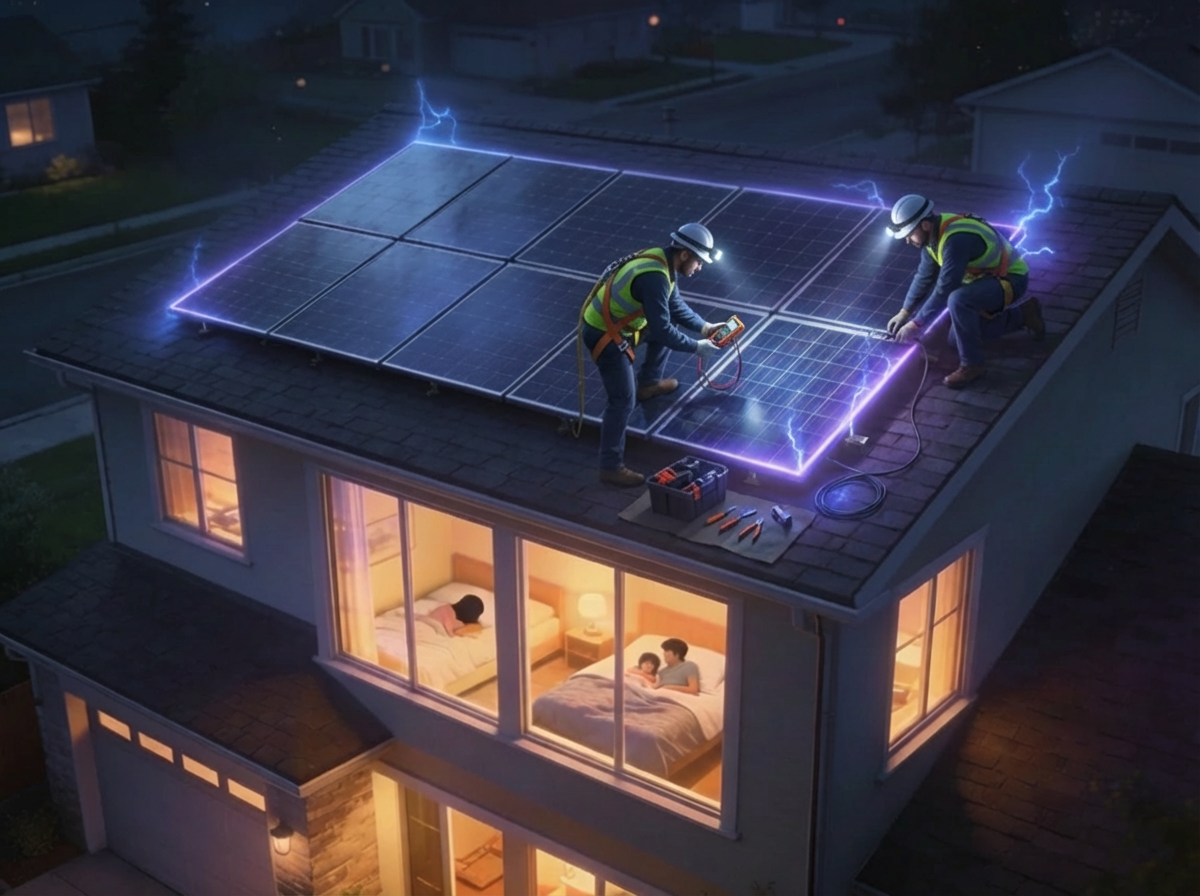
Solar maintenance crew on a rooftop array
Technician and firefighter-facing risks without panel-level control

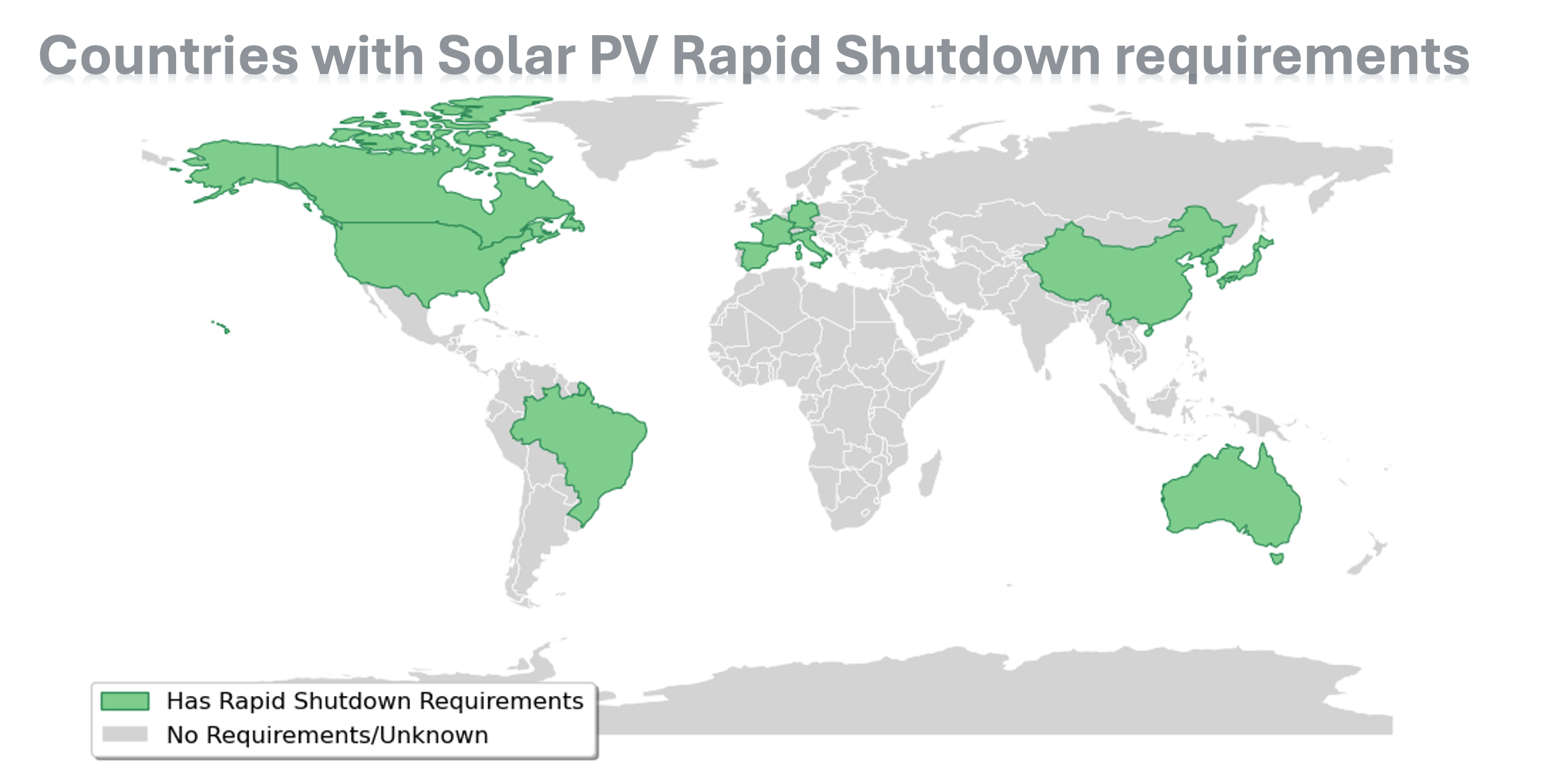
Rapid shutdown is going global

Regulators and fire-safety stakeholders are pushing module-level visibility and shutdown—creating room for smarter, safer panel intelligence.

Rapid shutdown adoption map
  • Adopted or emerging across major solar markets
  • Raises the bar for MLPE, monitoring, and emergency behavior
  • Aligns with Solar Sense: panel-level sense, detect, and control

The Solution — Solar Sense

A hardware and machine learning platform that delivers panel-level intelligence, predictive diagnostics, and integrated safety.

Solar Sense digital twin and system overview
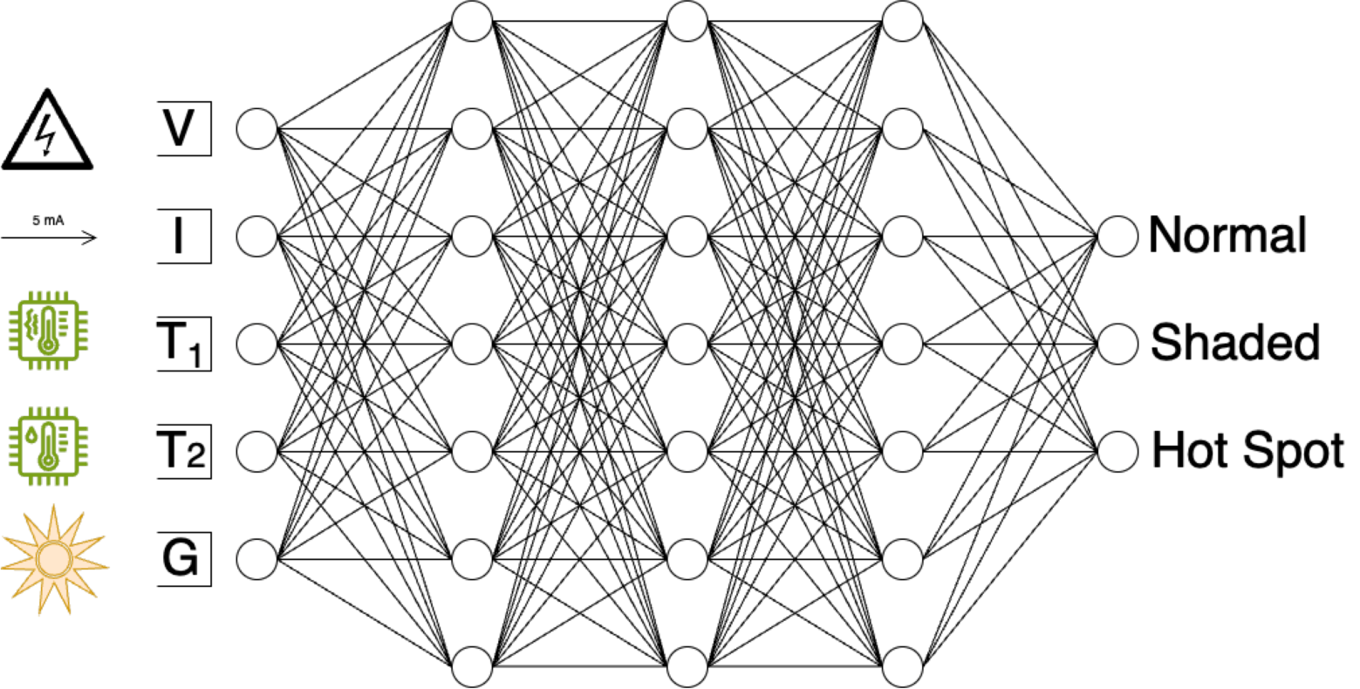
Neural network approach to PV fault detection

Panel-level intelligence

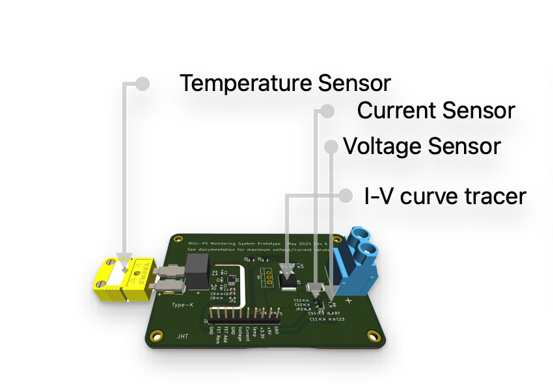
Each device measures voltage, current, and temperature for real-time insight into individual panel performance.

Machine learning fault detection

Detects shading, hotspots, electrical anomalies, and early-stage degradation—supporting predictive maintenance and less downtime.

Integrated safety control (MOSFET)

Switching to shut down a panel quickly, reduce voltage in emergencies, and improve safety for firefighters and technicians.

Scalable architecture

Designed for module-level deployment across residential, commercial, and research systems in decentralized energy architectures.

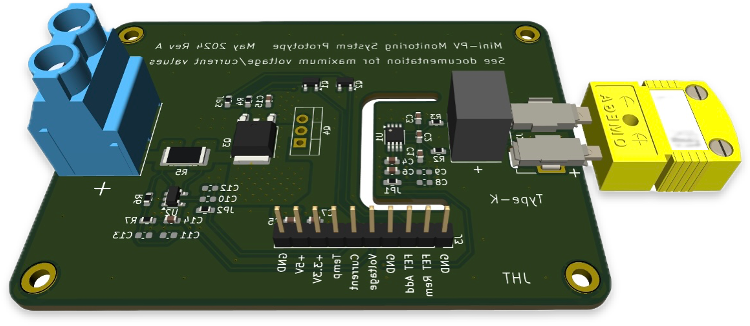
Solar Sense module-level device render
Compact, panel-integrated hardware—designed for DFM, integration, and cost-down iterations.
SEPT ecosystem V2 — simple full spread: module-level intelligence in the PV system
System view: how panel-level sensing, safety, and intelligence fit the broader PV ecosystem.

Tour of Solar Sense Lab

Over time, we've slowly built and equipped this electronics lab to help us rapidly design, prototype, and test the next generation of Solar Sense technology. Built and developed by our Co-Founder & CTO, Jordan Harris-Toovy, this lab is becoming more than just a hardware development space.

It is evolving into a platform for solar panel testing, real-world data collection, rapid prototyping, and innovation focused on making solar energy smarter, safer, and more sustainable.

Product design

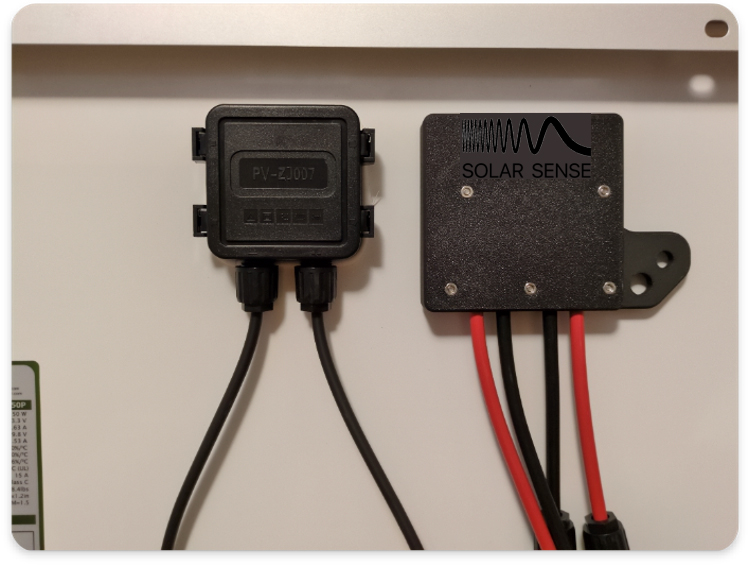
Solar Sense is a compact, cable-integrated device installed at the panel level—low-cost hardware, straightforward integration, wireless or wired data, and a path to mass production.

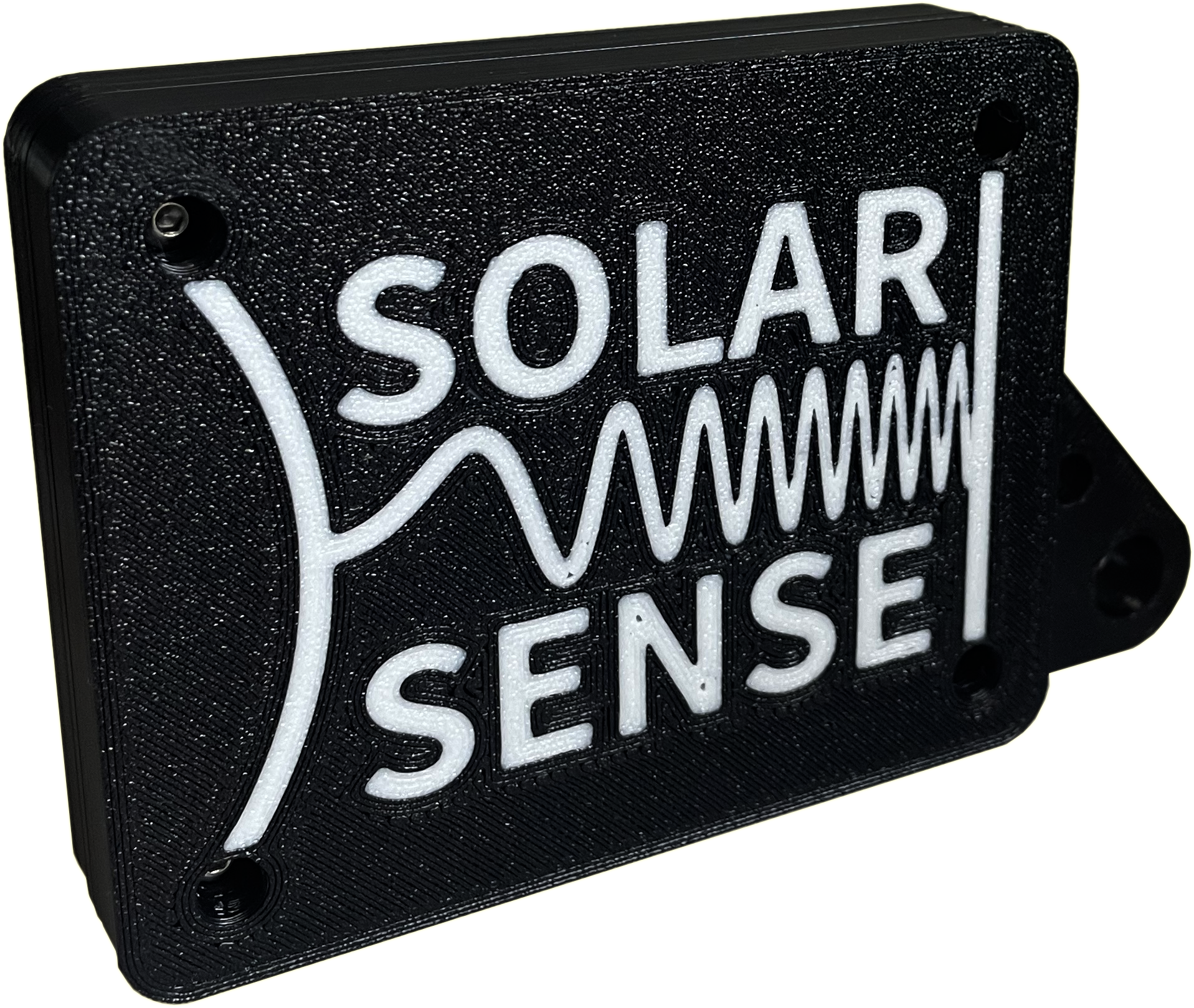
Solar Sense prototype hardware Solar Sense device mounted on a PV module

Business model

Target pricing brackets and multiple revenue paths as the platform matures.

$21

Target production cost

$37

Residential and commercial retail target

$200

Education and research market

Revenue streams

  • Hardware sales
  • Monitoring platform (future SaaS layer)
  • Data-driven services—analytics and diagnostics

Market entry strategy

Phase 1 — Product development and research market entry (2025-2027): Complete hardware design, manufacturing partnerships, and platform development (2025-2026). Launch Solar Sense Pro with Chinese universities, labs, and research institutions (2027). Deploy pilot systems, validate technology, build research partnerships, and generate field data.

Funding ask: $860K for research market entry

Phase 2 — Research expansion and commercial market entry (2028-2029): Expand research deployments, publish findings, develop case studies, strengthen manufacturing (2028). Launch commercial Solar Sense platform for installers, EPC companies, asset owners, and O&M providers (2029). Requirements: certification (e.g. UL, NEC alignment), scaled manufacturing, distribution channels, and strategic partnerships.

Funding ask: $3M for commercial market expansion

Traction and development

  • First pilot project in progress
  • Functional prototypes developed
  • Internal electronics lab established
  • PV testing capability under development

We validate reliability and compliance before pushing into regulated, high-volume markets.

Competitive advantage

Low cost at scale

Architecture and integration choices aim for affordability so large fleets of panels can be instrumented economically.

Safety plus intelligence

Unlike monitor-only or shutdown-only approaches, Solar Sense combines monitoring, ML-based fault detection, and active control.

Machine learning, not rules only

Adaptive models move beyond fixed thresholds to support predictive and evolving diagnostics.

Built for decentralized energy

Purpose-built for rooftop solar, distributed grids, and microgrids—not a retrofit of central-plant thinking.

Team

Adama Toure

Co-Founder | Renewable Energy Engineer

Jordan Harris-Toovy

Hardware & Embedded Systems Lead

Funding and partnerships

Current raise: $860K for education and research market entry; $3M roadmap for residential and commercial scale. We are seeking research institutions, pilot partners, manufacturing partners, and strategic investors who share the vision of safer, smarter, more scalable solar.

Research and manufacturing

  • Universities and validation labs
  • EMS / ODM and power electronics depth
  • DFM and cost-down collaboration

Pilot partners

  • Training institutions and teaching arrays
  • Installer-led field trials
  • O&M workflow integration

Strategic investors

  • Hard-tech and climate focus
  • Scaling capital and GTM support
  • Long-horizon partnerships

Mission

Improve safety in solar energy systems; increase visibility and control at the panel level; enable sustainable, scalable decentralized energy.

Let's build it together—starting with a conversation.

adama.toure@sept.energy Request a Meeting